
How to Adjust a Garage Door Opener for Smooth and Reliable Daily Operation
Adjusting a garage door opener helps it run safely and smoothly. Most openers need small changes over time as parts wear down or the door becomes heavier. When the opener is properly adjusted, the door moves without shaking or stopping midway. Many homeowners make simple adjustments on their own. With small turns of the right screws, you can improve how the garage door opens and closes without replacing the whole unit. Taking time to adjust the opener helps protect your system and keeps your home safe..
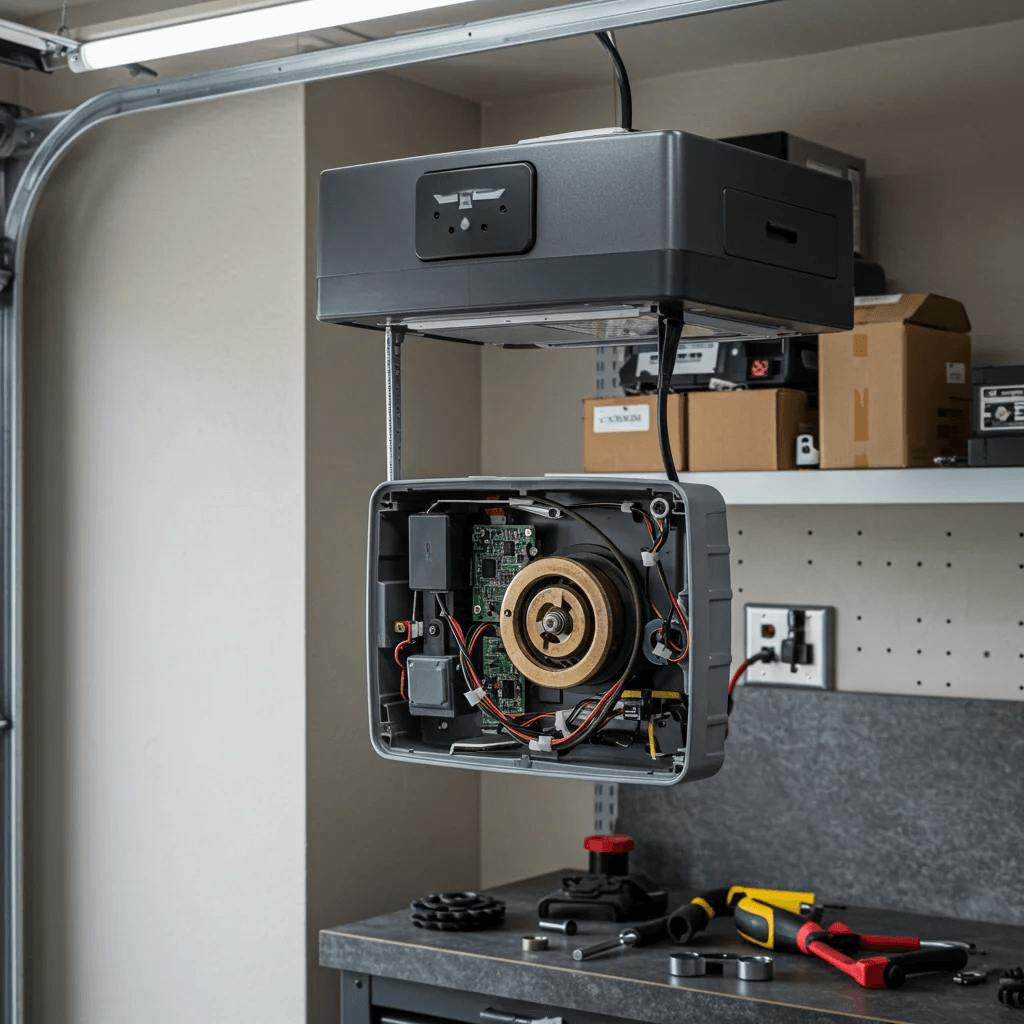
How to Adjust a Garage Door Opener When the Door Won’t Close or Open Properly
A garage door that stops before reaching the ground or opens only halfway usually needs a limit adjustment. The limit screws tell the opener how far the door should travel. If these settings slip, the opener becomes confused and stops too early. Making a small adjustment to the limit screws can often fix the problem in minutes. After adjusting, test the door several times to make sure it moves the full distance without struggling or reversing...
Table of Contents
- How Many Amps Does a Garage Door Opener Use? Complete Electrical Breakdown
- Understanding Power Needs: How Many Amps Does a Garage Door Opener Use for Safe and Reliable Operation
- How Many Amps Does a Garage Door Opener Use and Why It Matters for Your Home Wiring
- How Many Amps Does a Garage Door Opener Use on Average Across Popular Brands
- Modern Power Efficiency: How Many Amps Does a Garage Door Opener Use in Newer Models
- Startup Surge Explained: How Many Amps a Garage Door Opener Uses During Initial Motor Activation
- Circuit Requirements: How Many Amps a Garage Door Opener Uses on a Recommended Dedicated Line
- Annual Energy Use: How Many Amps a Garage Door Opener Uses Per Year and What It Costs
- Malfunction Diagnosis: How Many Amps a Garage Door Opener Uses When Something Is Wrong
How to Adjust a Garage Door Opener by Fine-Tuning Limit Switches and Travel Settings
Limit switches control how far the door travels up and down. When these switches are off, the motor might keep running even when the door is already closed or fully open. Travel settings tell the motor when to stop moving. By turning the adjustment screws slowly, you can set the perfect stopping point. This reduces strain on the opener and helps prevent damage to the motor or tracks.
How to Adjust a Garage Door Opener to Correct Force, Sensitivity, and Motor Resistance
Force settings control how much pressure the opener uses to lift and lower the door. When the force is set too low, the door may stop because the opener thinks something is blocking it. If the force is set too high, the door can slam shut and become unsafe. Adjusting the force helps the opener move the door smoothly. A well-balanced force setting protects the motor and also keeps the safety system working the way it should.
How to Adjust a Garage Door Opener After Installing New Rollers, Hinges, or Tracks
After replacing rollers or hinges, the door often moves more freely. When the door moves easier, the opener may need new force and limit settings to match the improved motion. If you skip this step, the opener might still push too hard or stop too soon. Making new adjustments helps the system work like new. It allows the opener to work with the new hardware and prevents unnecessary strain.
How to Adjust a Garage Door Opener for Perfect Sensor Alignment and Safety Compliance
Sensors must face each other and sit at the same height. If one sensor shifts even a little, the opener may refuse to close the door. The sensors are designed to stop the door when something is in the way, so proper alignment is important for safety. Adjusting the sensors is easy. You move them until the lights stop blinking and stay solid. This simple fix restores full door operation and keeps your home safe.
How to Adjust a Garage Door Opener When the Remote or Wall Button Stops Responding
If the remote stops working, the opener may need a sensitivity adjustment. Sometimes the motor will not respond unless the settings match the weight and movement of the door. The same happens when the wall button sends power, but the opener struggles to move. Checking sensitivity and making small adjustments can bring the opener back to normal. Always test the door after adjusting to make sure it responds every time..
How to Adjust a Garage Door Opener for Quieter Performance and Reduced Motor Noise/h2>
A loud opener often needs a force or travel adjustment. When these settings are off, the motor works harder and becomes noisy. Loose chains, worn belts, or rough tracks can also increase noise levels. By making adjustments, tightening hardware, and checking the chain or belt tension, you can reduce the noise. A quiet opener works better and lasts longer..
How to Adjust a Garage Door Opener Safely Without Damaging Springs or Door Balance
Adjusting an opener is safe, but adjusting the springs is not. Springs store a lot of tension and can be dangerous. When the springs are unbalanced, the opener will struggle even if the settings are correct. Before adjusting the opener, make sure the door stays in place when lifted halfway by hand. If it falls or rises quickly, the springs need work, and only a professional should handle them..
How to Adjust a Garage Door Opener on Popular Brands Like LiftMaster, Genie, and Chamberlain
Different brands use different adjustment screws and positions. LiftMaster and Chamberlain usually have color-coded knobs, while Genie models often use dials or sliders. Even though the parts look different, the goal is the same: adjust the limits, set the force, and check the sensors. Following the brand’s guide while making small changes helps you fine-tune the opener without damaging the motor or wiring..
Installation Planning: How Many Amps a Garage Door Opener Uses and What Homeowners Should Prepare For
Before installing a new garage door opener, it’s important to understand the amperage requirements to avoid electrical problems. Planning ahead includes verifying the circuit capacity, making sure the wiring is modern and properly rated, and ensuring that the outlet is positioned conveniently for the opener’s power cord. With the correct electrical setup, the opener will run more smoothly and last longer. Many homeowners exploring upgrades, including those searching for garage door repair in Whiskey Creek, benefit from understanding amperage before installation. Having the proper electrical foundation is one of the most important steps in ensuring safe, efficient, and long-lasting performance.

How to adjust a garage door opener?
How Many Amps Does a Garage Door Opener Use? Full Electrical Guide for Homeowners