
How to Know What Size Torsion Spring for a Garage Door
Choosing the correct torsion spring size is one of the most important steps in keeping your garage door safe, balanced, and reliable. Many homeowners discover the importance of accurate sizing only after dealing with a broken spring or a door that refuses to move. If you are researching how to determine the right torsion spring, you are already on the right track. Local professionals can also help, and for homeowners who need hands-on assistance, support is available through trusted service providers such as Garage Door Repair in Hudson. Understanding the correct torsion spring size prevents unnecessary strain on your opener and ensures that your door lifts smoothly. A properly sized spring counterbalances the exact weight of your door, making it feel almost weightless when raised. When the size is wrong, the door can become dangerous, unstable, or completely inoperable.
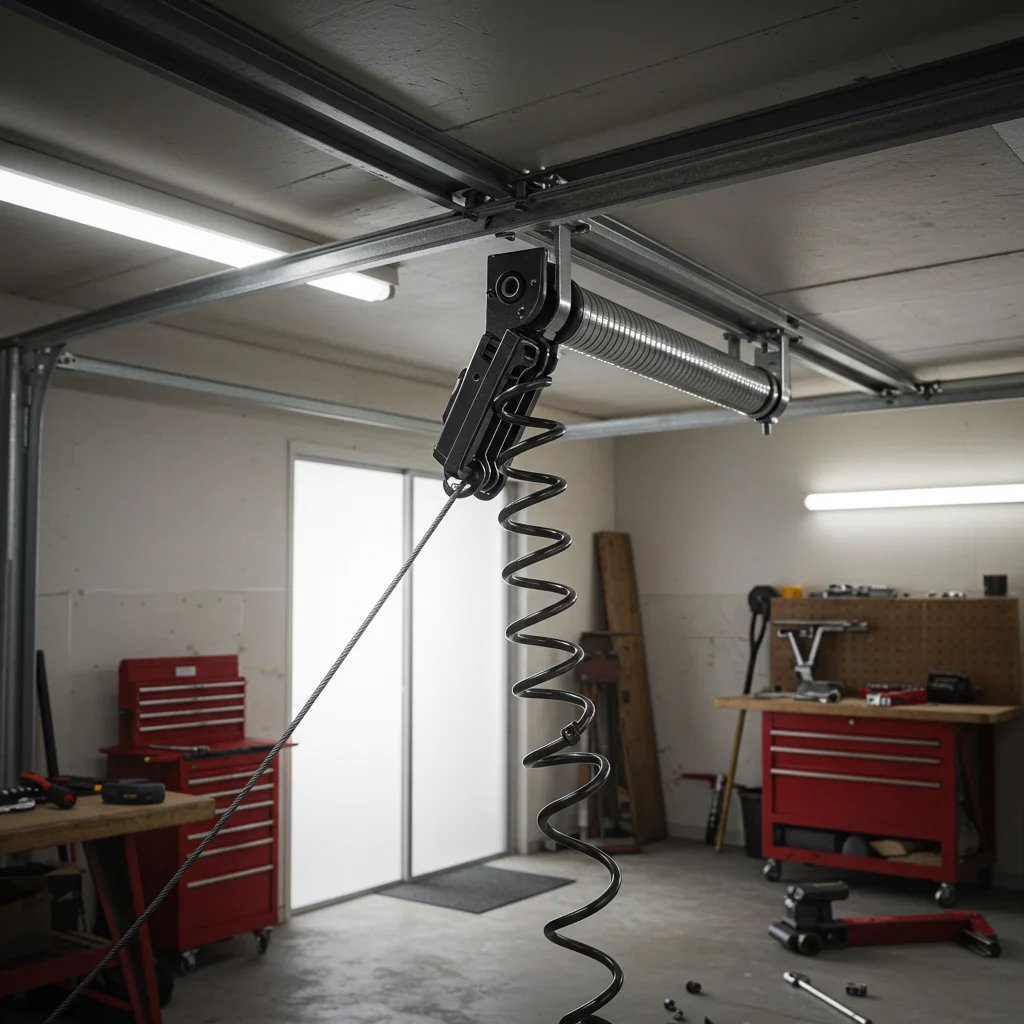
Why Correct Torsion Spring Size Matters for Garage Door Balance and Safety
The torsion spring is the core lifting mechanism that counters the full weight of the garage door. When the spring size is matched correctly, the door glides smoothly, stays balanced at mid-positions, and places minimal strain on the opener. A properly sized spring makes it possible for even a heavy door to lift with minimal effort, because the torque produced perfectly offsets the door’s weight. If the spring is incorrectly sized, the problems begin immediately. A stronger spring causes the door to rise too quickly or stay partially open when it should be closed. A weaker spring causes slow lifting, harder manual operation, and reliance on the opener to compensate. Over time, these issues lead to worn gears, damaged cables, misaligned tracks, and potential safety hazards. Getting the torsion spring size right is not optional; it is fundamental to the safe function of your entire garage door system.
Table of Contents
- Why Correct Torsion Spring Size Matters
- How Door Weight Determines Torsion Spring Size
- Measuring Torsion Spring Dimensions Properly
- Identifying the Correct Spring for Your Garage Door System
- The Role of Door Height and Width in Spring Sizing
- The Role of Door Height and Width in Spring Sizing
- How Spring Weight Charts Help Determine Exact Size
- Common Mistakes When Choosing Torsion Springs
- Final Thoughts
How to Know What Size Torsion Spring You Need Based on Door Weight
The most dependable way to determine torsion spring size is by starting with the exact weight of your garage door. Every torsion spring is designed to balance a specific weight range, and that balance is what allows the door to lift easily and remain stationary at any height. To get an accurate reading, the opener must be disconnected and the door must be placed on a heavy-duty scale. Once the true weight is known, it can be matched to the correct spring rating. Door weight is more reliable than visual measurement because two springs with similar dimensions may have completely different torque capacities. This is why professional technicians always weigh the door before selecting a spring. When the weight and spring capacity match precisely, the door functions smoothly, safely, and with predictable movement throughout its entire travel.
Measuring Torsion Spring Dimensions: Wire Size, Length, and Inner Diameter
To size a torsion spring correctly, you must identify three key dimensions: wire size, spring length, and inner diameter. Each of these measurements contributes to the spring’s torque output, and even a small error can lead to improper performance. Wire size determines coil thickness and strength, while spring length affects the amount of tension the spring can store. The inner diameter ensures compatibility with the torsion tube, cones, and bearing plates. Measuring requires precision, consistency, and the right tools, particularly when calculating wire size. Using calipers and counting several coils produces the most accurate results. Inaccurate measurements often lead homeowners to buy springs that appear correct but fail to match the actual torque requirements of their garage door.
Identifying the Correct Torsion Spring for Your Garage Door Setup
Once the garage door weight and spring measurements are confirmed, a torsion spring size chart helps match the specifications quickly. These charts convert real-world measurements into exact spring model numbers, eliminating guesswork and simplifying the selection process. For homeowners needing professional help interpreting spring charts or measurements, assistance is available from providers like Garage Door Repair in Land O’ Lakes, where experts ensure your spring sizing is correct the first time. A size chart outlines wire thickness, number of coils, torque rating, and lifting capacity. Once the correct model is identified, you can be confident the torsion spring will provide the necessary support and longevity.
How Door Height and Width Influence Torsion Spring Size
Both door height and door width play important roles in identifying the correct torsion spring. Taller doors require more cable wind on the drum, which changes the number of turns needed for proper tension. A standard seven-foot door may require fewer turns than an eight-foot door, even if both doors weigh the same, simply because the cable travel distance is different. Wider doors often need stronger springs or dual spring setups because the weight is distributed across a broader surface. Larger double doors also experience more stress from wind, insulation, and panel flex, all of which can affect how the spring needs to perform. Understanding these measurements ensures the torsion spring produces the correct lifting force from the moment the door begins to rise.
Using Garage Door Spring Weight Charts to Determine the Right Size
Spring weight charts are one of the most reliable tools for determining the correct torsion spring. These charts cross-reference door weight, wire size, and spring length to create the perfect match. Once you know your door’s weight and the dimensions of your existing spring, the chart clarifies which torsion spring will deliver the exact torque required. Professionals rely on these charts because the relationship between spring dimensions and torque output is extremely precise. A difference as small as one wire gauge or one inch in length can completely change the lifting characteristics. Weight charts eliminate guesswork and provide a direct path to proper sizing, especially when replacing older or mismatched springs.
Common Mistakes Homeowners Make When Choosing Torsion Springs
One of the most frequent mistakes is choosing a spring based solely on appearance. Two springs may look nearly identical but have entirely different torque ratings. Another mistake is replacing only one spring in a dual system. Even if the other spring appears in good condition, it will never match the tension of a brand-new spring, causing the door to lift unevenly. A third common error is miscalculating wire size, which leads to springs that do not properly balance the door. Homeowners also tend to underestimate how precise spring sizing must be. Small measurement errors create big performance issues, and relying on assumptions rather than measurements often results in a poorly balanced and unsafe garage door.
Signs Your Current Torsion Spring Is the Wrong Size
A door that feels heavy, stops halfway, or drops quickly when manually released is often a sign of an incorrectly sized spring. Another symptom is a door that refuses to stay open and slowly drifts downward because the spring cannot hold its weight. Excessive opener strain, grinding noises, or cables that repeatedly slip off the drum also point to improper spring sizing. In more severe cases, the door may shoot upward too quickly or float at the top when fully open. These issues are not just inconveniences; they are safety hazards. If any of these symptoms appear, it’s likely that the torsion spring is either worn out or incorrectly matched to the door’s weight and lift system.
When to Size Springs Yourself and When to Call a Professional
Sizing a torsion spring yourself is possible if you have accurate measuring tools, understand how to calculate wire size, and are comfortable weighing the garage door. However, torsion spring sizing becomes risky when the door is large, insulated, unusually heavy, or part of a non-standard lift system. These setups often require advanced calculations that go beyond simple measurement. Many homeowners choose professional help because a torsion spring failure can cause severe injury. Professionals also have access to calibrated scales, accurate spring indexing charts, and the experience needed to assess the door’s overall condition. Calling a professional becomes essential when you are unsure of any measurement or when dealing with dual-spring systems that must be perfectly matched.
Final Thougts
Because torsion springs are tightly wound and under extreme tension, working with them requires skill and safety training. If you are unsure about measurements or sizing, contacting a professional is the safest option. Homeowners looking for dependable spring services can turn to Garage Door Repair in New Port Richey, where trained technicians handle spring inspections, measurements, and replacements with precision. Calling a professional ensures the right spring is selected, installed correctly, and fully tested so your garage door operates smoothly for years. .

How to know what size torsion spring for a garage door?
How to Determine the Correct Garage Door Spring Size | Safe and Easy Guide