
How to Rewind Cable on Garage Door
When a garage door cable slips off the drum the entire system becomes unstable uneven and often unsafe to operate and this is a common issue seen in many Apopka garage door repair service calls. Learning how to rewind cable on a garage door gives you the ability to restore proper function without immediately calling a technician. This guide explains the full process in a way that is safe step driven and semantically optimized for users and search engines. With the right technique you can correct the imbalance prevent unnecessary strain on the opener and improve the long term reliability of your garage door system. Rewinding a cable may sound complicated but once you understand how the components work together the process becomes much easier. Proper rewinding allows the door to move evenly reduces stress on the springs and prevents further damage. This guide offers the clarity confidence and expert insights needed to complete the job correctly.
How Does a Garage Door Cable Work?
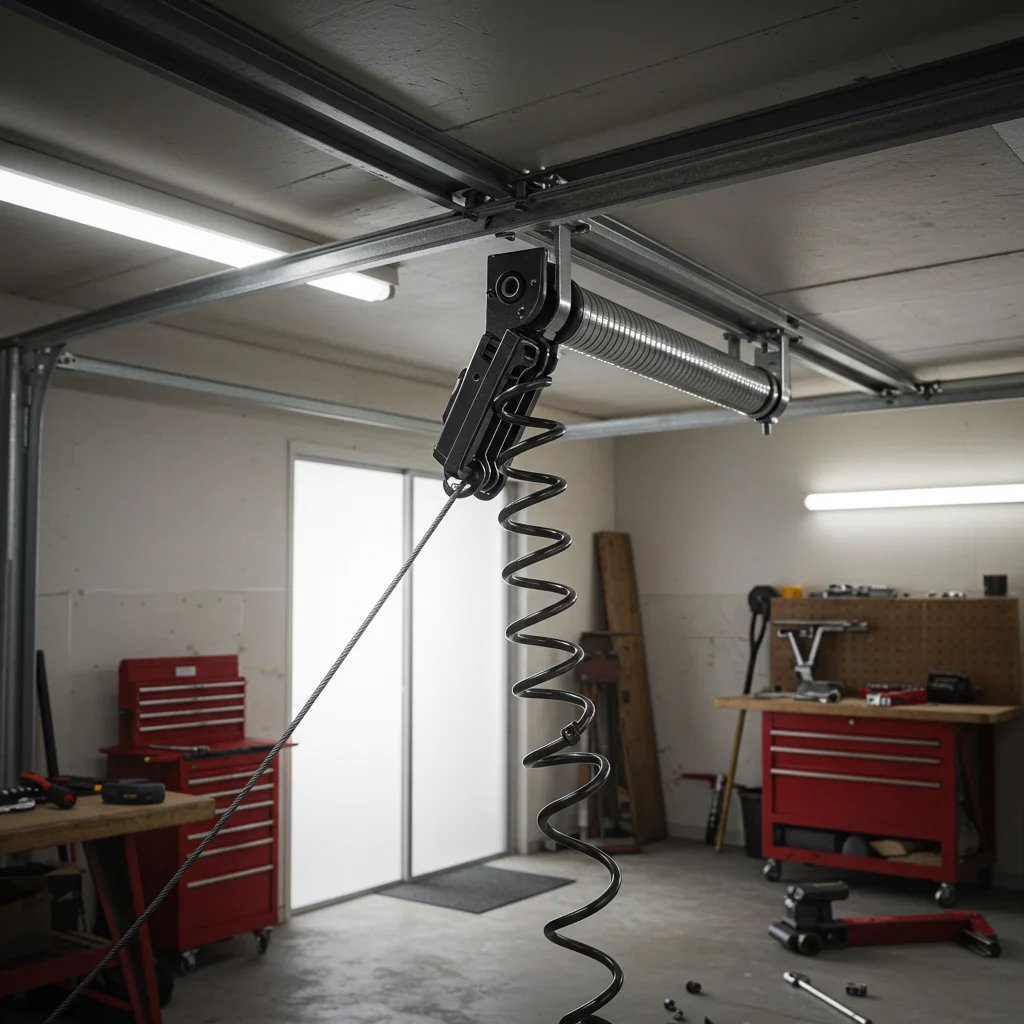
A garage door cable is responsible for carrying part of the door’s weight and working with the springs to lift and lower the door smoothly. In a torsion spring system, the cable wraps tightly around a grooved drum mounted on the torsion shaft. When the door opens or closes, the drum rotates and winds or unwinds the cable in a controlled pattern. If the cable comes off the drum, the door’s balance is immediately compromised, causing it to tilt or jam. Understanding this relationship between the cable, drum, and spring tension is essential before attempting to rewind anything. The cable must sit correctly inside the drum grooves, and there must be enough tension on the shaft to hold everything in place. If tension is missing or uneven, the cable can slip again, which is why the rewinding process must be done carefully and correctly.
Table of Contents
- How Does a Garage Door Cable Work?
- Signs Your Garage Door Cable Needs Rewinding
- Tools Needed to Rewind Garage Door Cable Safely
- Step-by-Step: How to Rewind Cable on Garage Door
- Why Garage Door Cables Come Off the Drum
- Should You Rewind Garage Door Cable Yourself?
- How to Prevent Cables From Slipping Again
- When to Call a Professional for Garage Door Cable Issues
- Final Thoughts
Signs You Need to Rewind Cable on Garage Door and Not Replace It
Many garage door cable issues don’t require a full replacement. If the cable has simply slipped off the drum but the strands look smooth, clean, and unfrayed, the problem is usually related to tension rather than structural failure. Homeowners often notice that one side of the door hangs lower than the other or that the door rises unevenly and binds halfway during operation. These issues typically indicate that the cable has lost alignment rather than suffered damage. If the cable is intact, not rusted, and not kinked, rewinding is usually the correct solution. A door that leans to one side or drops suddenly when closing also suggests a slipped cable rather than a broken one. In these cases, restoring the cable to the drum’s grooves with proper tension will bring the door back into balance.
Tools Needed for How to Rewind Cable on Garage Door Safely
Although rewinding a cable does not require complicated equipment safety and precision rely on having the right tools and this is something often emphasized during Lake Nona garage door repair inspections. Heavy duty gloves protect your hands from sharp cable edges while protective glasses shield you from sudden spring movements. Winding bars are essential for controlling torsion springs because they allow you to adjust tension safely without risking the sudden release of stored energy. An adjustable wrench or socket set allows you to loosen and tighten drum set screws with full control. You will also need a ladder to reach the drum and shaft along with C clamps or locking pliers to secure the door in place and prevent unexpected movement. Some homeowners choose to keep a replacement cable nearby in case the existing one shows mild wear. Having these tools ready before beginning the process ensures smooth continuous progress without interruptions.
How to Rewind Cable on Garage Door
Start the process by disconnecting the garage door opener to eliminate the possibility of accidental activation. Once power is disconnected, lift the door into the fully open position to relieve most of the spring tension. Securing the door with clamps placed firmly on the tracks ensures it will not fall during the repair. For torsion spring systems, carefully release any remaining tension using proper winding bars, turning the spring slowly and maintaining full control with both hands. After reducing tension, remove the loose cable from the bottom bracket and straighten it to eliminate twists. Begin rewinding the cable by placing its end into the slot on the drum and guiding it into the grooves while keeping consistent tension. Once the cable sits properly, tighten the drum set screws securely and reapply spring tension. When tension is restored, remove the clamps, move the door manually to confirm smooth operation, and then reconnect the opener once everything is aligned and functioning correctly.
Why Garage Door Cables Come Off the Drum and How Rewinding Helps
Cables commonly slip off the drum when the door encounters sudden resistance, such as an object in the track, or when the springs begin to lose tension from age or temperature changes. Manual operation that is too fast or uneven can also cause the drum to spin irregularly, leading the cable to unwind unexpectedly. These issues disrupt the door’s balance, making it difficult or impossible to operate safely. Rewinding the cable restores even tension and correct alignment. Once rewound, the cable cooperates with the drum and springs to lift the door evenly and prevent the motor from straining. A properly rewound cable also helps distribute weight more effectively, reducing wear on hinges, rollers, bearings, and the garage door opener system.
How to Open a Garage Door With a Broken Spring and Keep It Secure
Once the door is up it will not stay up on its own The spring normally holds the door steady Without it the door wants to fall back down To secure it place locking pliers or strong clamps on the track just below the bottom rollers This blocks the door from sliding down Never walk under a door that is not clamped or supported Even a small slip can cause a heavy door to fall suddenly
How to Rewind Cable on Garage Door With Torsion Springs vs Extension Springs
Torsion spring systems require more precision because the springs store a significant amount of rotational force. Releasing and restoring that tension must be done with winding bars to avoid sudden, dangerous movements. Rewinding the cable in a torsion system involves loosening the drum, seating the cable into the grooves, and retightening everything under controlled tension. This ensures both cables wind evenly during door operation. Extension spring systems operate differently because the springs stretch along the track rather than winding around a shaft. This makes the rewinding process slightly simpler, since the cable usually falls off when tension is lost rather than due to spring torque. Rewinding in an extension system focuses on proper pulley alignment and ensuring the cable tracks smoothly without rubbing or binding.
Should You Rewind Cable on Garage Door Yourself?
Many homeowners successfully rewind their garage door cable without professional help, especially when the system is well-maintained and the cable has only slipped due to temporary tension issues. If you are comfortable with tools, patient with step-by-step work, and understand the importance of securing the door and handling springs carefully, a DIY approach is entirely manageable. However, professional service becomes the safer choice when the door is extremely heavy, the springs appear worn or damaged, or the cable repeatedly comes off the drum. A trained technician not only rewinds the cable but also inspects the entire balance system, the bearings, tracks, drums, and opener to prevent future failures. Professional recalibration also ensures that the door opens and closes smoothly with minimal strain.
How to Prevent Future Cable Issues After You Rewind the Garage Door Cable
Preventing cable issues begins with regular maintenance. Keeping the tracks clean and free of debris helps the door move smoothly without obstruction. Lubricating rollers, hinges, and bearings reduces unnecessary strain on the system and prevents sudden jerks that could cause the cable to unwind. Checking drum alignment and ensuring springs maintain proper tension can also significantly extend the life of the cables. Testing door balance every few months by lifting the door manually and observing how it behaves helps identify tension issues before they cause cable problems. If the door feels heavy, drops quickly, or refuses to stay halfway open, the tension may need adjustment. Addressing these issues early prevents future cable slipping and protects the overall system.
Final Thougts
Rewinding a garage door cable requires patience caution and respect for the tension stored within the springs and many homeowners in areas like Summerfield garage door repair situations face this same challenge. Always work with the opener disconnected secure the door before touching any components and take your time with each step. Never force a part to move if it feels stuck and stop immediately if the process becomes unclear or feels unsafe. With proper preparation and careful movements you can safely and successfully rewind cable on a garage door and restore smooth balanced operation. For homeowners who prefer complete peace of mind consulting a professional is always a dependable and secure option. .

How to rewind cable on garage door
How to Rewind Cable on a Garage Door | Step by Step Guide