
How to Size Garage Door Springs
Sizing garage door springs the right way is essential for a safe, smooth, and dependable garage door system. When springs are matched correctly to your door’s weight and setup, the door moves effortlessly and stops securely at any point. If you are looking for professional support while sizing or replacing springs, our St. Cloud Garage Door Repair team provides expert service and can be found here: Garage Door Repair in St. Cloud. Many homeowners try to size springs by guessing, but garage door springs are engineered parts that must match precise measurements. This guide explains everything you need to know so you can choose the correct torsion or extension spring—or know when to rely on a trained technician.
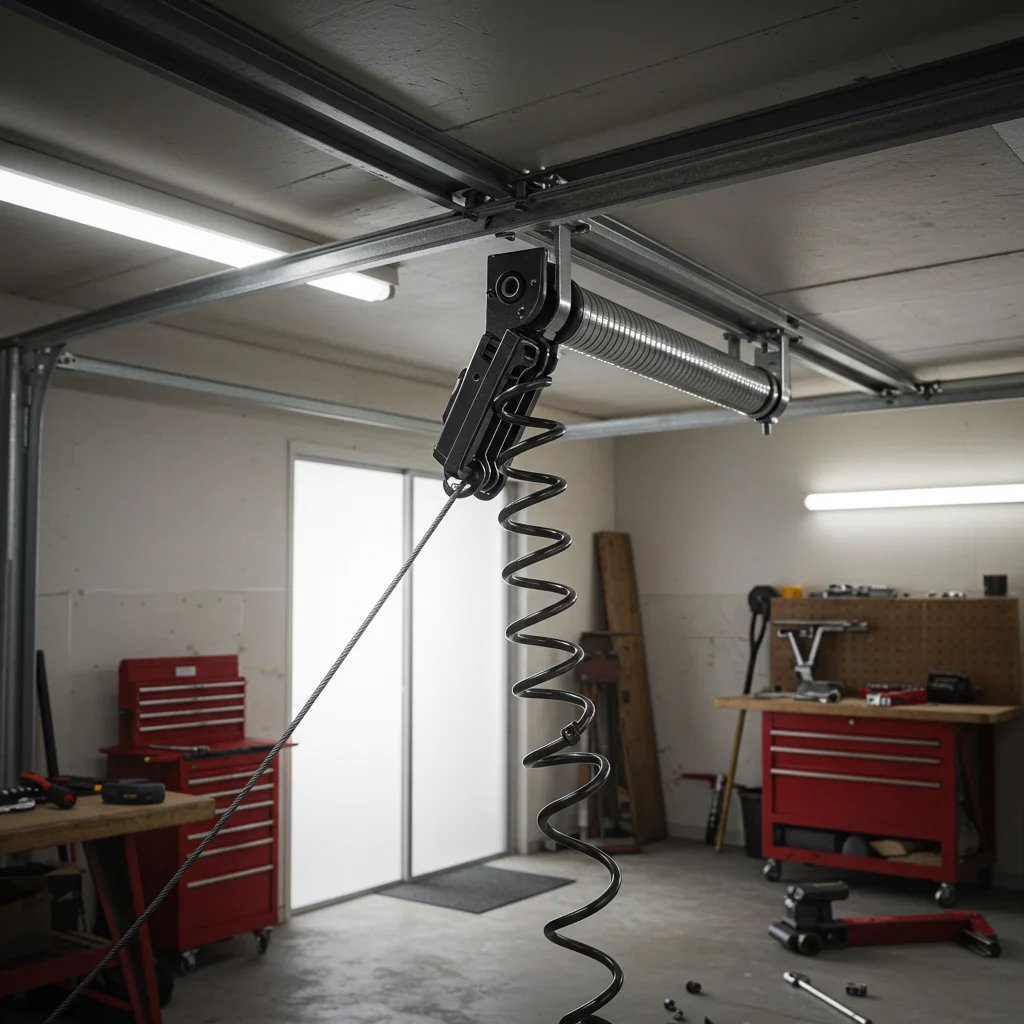
Why Correct Garage Door Spring Sizing Matters for Safety and Performance
Correct spring sizing determines how smoothly and safely your garage door operates. A spring that is too weak causes the door to drag, strain the opener, and become heavy to lift by hand. A spring that is too strong can cause the door to shoot upward, damaging the tracks or leading to sudden movement that creates safety issues for anyone nearby. Balanced springs extend the life of your opener, cables, rollers, and hinges. When springs match the exact lift requirement of the door, every component works in harmony, ensuring years of consistent performance without the danger of sudden failure.
Table of Contents
- How to Size Garage Door Springs: Complete Homeowner’s Guide
- Why Correct Garage Door Spring Sizing Matters for Safety and Performance
- How to Size Garage Door Springs Based on Door Weight
- How to Size Garage Door Torsion Springs Accurately
- How to Size Garage Door Extension Springs the Right Way
- Step-by-Step Guide: Measuring Wire Diameter, Length, and Inner Diameter
- Using Garage Door Spring Weight Charts to Determine the Right Size
- Common Errors Homeowners Make When Sizing Garage Door Springs
- Final Thoughts
How to Size Garage Door Springs Based on Door Weight
Door weight is the foundation of accurate spring sizing. The heavier the door, the stronger the spring must be to lift it properly. Insulated steel doors, custom wood doors, or double-wide doors require more lift, which is why weighing the door is the most reliable method professionals use. When the door’s weight is known, it becomes simple to match the correct torsion or extension spring strength. This results in smooth lifting, balanced movement, and reduced stress on your opener system.
How to Determine the Size of a Garage Door Spring for Torsion Systems
Torsion springs are mounted above the garage door and operate using rotational force. To determine the correct size, measure the wire diameter, spring length, and inner diameter. The wire size affects the spring’s tension and load-bearing capacity, while the length determines the amount of torque the spring can produce. Always ensure the torsion spring matches the weight and height of the garage door. Using a spring that is too long or too short can lead to uneven lifting, excessive noise, and safety hazards. Accurate measurements and careful selection are key to a properly functioning torsion system.
How to Size Garage Door Torsion Springs Accurately
Choosing the right torsion spring requires specific measurements, and this process is best handled with precision. For homeowners or technicians located near Dade City, you can rely on our certified specialists whenever you need accurate torsion spring sizing or installation. Visit: Garage Door Repair in Dade City. Torsion spring sizing involves measuring wire diameter, length, inside diameter, and identifying the correct lift type. When done correctly, the spring produces the perfect amount of torque to balance the door and prevent uneven movement or mechanical strain.
Step-by-Step Guide: Measuring Wire Diameter, Length, and Inner Diameter
Wire diameter is measured by choosing ten or twenty spring coils and measuring them with a tape measure. This provides an accurate reading of the spring’s wire gauge, which is essential because even a small mistake changes the spring strength significantly. Length is measured from end to end of the spring, excluding the cones, and determines how much the spring can stretch or wind. Inner diameter is measured inside the coil where the spring fits over the torsion tube. This measurement helps ensure that the spring fits the hardware correctly. When all three measurements are taken precisely, the spring can be matched to the correct lift rating, preventing premature failure and ensuring smooth function.
Using Garage Door Spring Weight Charts to Determine the Right Size
Spring weight charts allow you to match your door’s exact weight to the correct spring size. These charts are used by garage door professionals to select the correct wire size, coil length, and torque output. With accurate weight information, the chart will guide you to the precise spring that balances your door without over-tensioning. Using a spring weight chart also helps identify compatible spring combinations. Some doors require paired springs with specific torque values, and the chart ensures that both springs work together to create balanced lifting strength. This prevents uneven operation and reduces stress on the opener.
Common Errors Homeowners Make When Sizing Garage Door Springs
One of the most common errors is assuming all garage doors use the same spring size. Door weight varies widely depending on material, insulation, and width, so using a spring that “looks similar” can lead to dangerous imbalance. Another mistake is measuring old springs that are already stretched or damaged, which results in inaccurate sizing. Many homeowners also underestimate the importance of wire diameter. Even a tiny difference in wire size changes the lift capacity. Guessing or eyeballing measurements often leads to springs that fail quickly or strain other parts of the door system. Accurate tools and proper methods are the only reliable way to size springs safely.
When Incorrect Spring Size Leads to Damage and How to Avoid It
Incorrect spring sizing causes far more than convenience issues. An undersized spring forces the opener to lift most of the door’s weight, which quickly burns out the motor or causes the chain or belt to snap. Oversized springs create dangerous tension, making the door shoot upward or become impossible to close evenly. Damage can be avoided by measuring the door weight correctly, using precise spring measurements, and following industry-standard charts. When in doubt, having a garage door professional verify the spring size prevents costly repairs and ensures long-term safety and reliability.
When to Size Springs Yourself and When to Call a Professional
You can measure the basic spring dimensions yourself, but calculating correct torque values or selecting the exact spring combination can become complicated. Professional technicians use calibrated tools and scales that provide precise weight readings, ensuring that the spring selection matches your door’s specifications. If your door is unusually heavy, custom-built, double-wide, insulated, or old enough that specs are unknown, a professional should handle the sizing. They can ensure that both safety and performance standards are met and that the door is balanced perfectly before winding or tensioning the springs.
Final Thougts
The final step in safe spring sizing is knowing when to ask for expert help. If you are near Hudson, you can rely on our trusted technicians for accurate spring replacement, balanced installations, and complete safety checks. Visit: Garage Door Repair in Hudson. Always measure carefully, never estimate, and ensure the door’s actual weight guides your spring selection. With the correct spring in place, your garage door will stay balanced, operate smoothly, and remain safe for your home and family. .

How to size garage door springs?
How to Determine the Correct Garage Door Spring Size | Safe and Easy Guide