
What Do Garage Door Springs Do?
Garage door springs are the true lifting power behind every smooth, controlled movement your garage door makes. Many homeowners believe the opener is responsible for raising the door, but springs actually handle nearly all the weight. When functioning correctly, they counterbalance hundreds of pounds, allowing the door to glide effortlessly. When they weaken or fail, the entire system becomes unstable, heavy, and unsafe. If you ever notice unusual door behavior while using professional repair services in areas like Tallahassee, it is often your springs signaling that they need attention. Understanding how springs work helps you prevent costly damage and identify early signs of failure. Their role is essential for both safety and reliability. When springs are healthy, your door moves with precision and control. When they deteriorate, the system becomes dangerous, unpredictable, and far more likely to fail under pressure.
How Garage Door Springs Lift and Balance Your Door
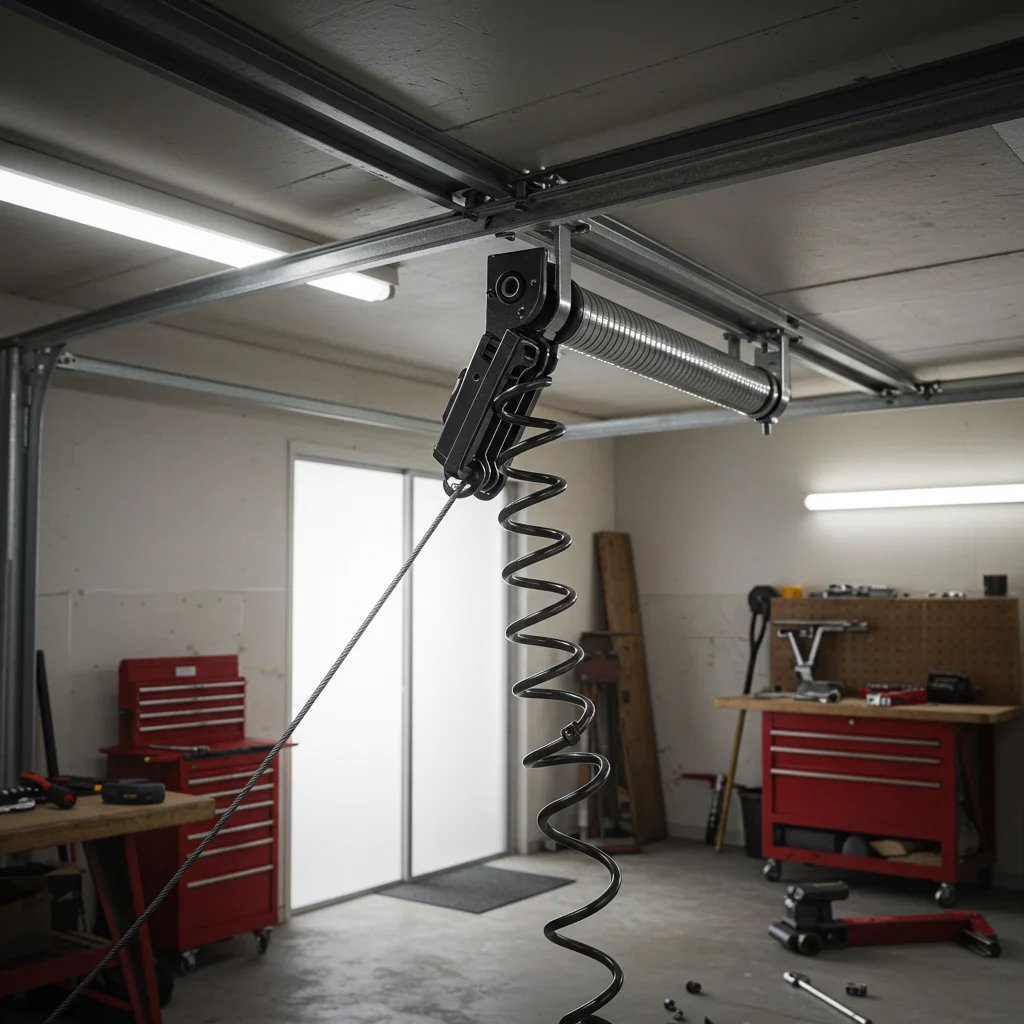
Garage door springs act as powerful counterbalancing devices that absorb and release tension to help lift the door. This tension makes raising a heavy door feel nearly effortless. As the door closes, the springs store energy. As it opens, they release that energy to support the weight. This constant cycling keeps your door stable, balanced, and predictable every time it moves. Without the balancing action of the springs, a garage door can slam shut, partially open, or lean unevenly. Springs ensure that the distribution of force remains equal, preventing unnecessary strain on tracks, rollers, and cables.
Table of Contents
- How Garage Door Springs Lift and Balance Your Door
- The Role Garage Door Springs Play in Safe Daily Operation
- Why Your Garage Door Relies on Springs More Than the Opener
- Torsion vs. Extension Springs: What Do Each of Them Actually Do?
- How Garage Door Springs Reduce Strain on Your Opener and Hardware
- What Happens When Garage Door Springs Wear Out or Break?
- How Proper Spring Sizing Impacts What Garage Door Springs Can Do
- Why Regular Maintenance Keeps Your Garage Door Springs Doing Their Job
- Final Thoughts
The Role Garage Door Springs Play in Safe Daily Operation
Every opening and closing motion relies on the springs to control speed and balance. Springs prevent violent drops by managing how quickly the door descends. This protects cars, pets, and anyone standing nearby. Springs also soften the rise of the door, stopping sudden jerks or mechanical stress. Your garage door becomes extremely dangerous when spring tension weakens. Springs serve as the primary safety mechanism, ensuring that the door never moves unpredictably or with uncontrolled force.
Why Your Garage Door Relies on Springs More Than the Opener
The garage door opener does not lift the door; it simply guides movement. Springs support the entire weight. When they lose strength, your opener is forced to handle loads it was never designed for, which quickly leads to motor burnout and system failure. Healthy springs allow the opener to function smoothly and safely. The opener only works efficiently when spring tension is properly calibrated to match the weight of the door.
Torsion vs. Extension Springs: What Do Each of Them Actually Do?
Torsion springs sit above the garage door and use rotational force to raise and lower the door with clean, controlled motion. They are preferred for their superior safety, durability, and balanced lifting power. Their torque-based design keeps the door steady even during fast or frequent use. When customers request professional help in areas such as Cedar Key, torsion spring issues are among the most common. Extension springs stretch and contract along the door’s horizontal tracks. They function by expanding when the door lowers and releasing stored tension as it rises. Although effective, extension springs create more movement and typically require safety cables for protection. Both types perform the same overall function, but the mechanics differ significantly, which affects longevity, performance, and safety.
How Garage Door Springs Reduce Strain on Your Opener and Hardware
Springs absorb the majority of the door’s weight, protecting the opener, hinges, tracks, and rollers from excessive force. When springs operate correctly, the opener faces minimal resistance. This reduces noise, vibration, and mechanical stress, extending the lifespan of every part in the system. Balanced springs ensure smooth and efficient movement, preventing misalignment, friction, and unnecessary wear on other hardware.
What Happens When Garage Door Springs Wear Out or Break?
A door with worn springs becomes heavy, uneven, and difficult to lift. You may hear grinding noises, popping sounds, or see gaps in the springs themselves. When a spring breaks, the door may fall suddenly or refuse to open at all. A failing spring creates a serious safety hazard. Without proper tension, the door can drop unexpectedly or strain the opener until it fails. Addressing spring issues early helps avoid dangerous malfunctions and expensive repairs.
How Proper Spring Sizing Impacts What Garage Door Springs Can Do
Springs must be correctly sized according to the door’s weight, height, and lift system. Proper sizing ensures smooth operation and balanced movement. Undersized springs fail to support the door, while oversized ones may cause the door to rise too quickly or fail to stay closed. Precision matters. Correct sizing increases operational life and ensures your opener performs efficiently without strain.
What Garage Door Springs Do to Improve Safety and Prevent Damage
Springs act as a stabilizing force that controls motion and prevents sudden drops. They protect panels, brackets, and tracks from unnecessary impact and keep the door aligned during movement. When springs function properly, every cycle remains smooth and quiet, reducing the likelihood of sudden mechanical failure. Their consistent tension ensures predictable operation, keeping your door safe for everyday use by every member of the household.
Why Regular Maintenance Keeps Your Garage Door Springs Doing Their Job
Springs weaken over time from frequent use, temperature changes, and natural metal fatigue. Regular inspections keep them in optimal condition, ensuring they retain tension and flexibility. Lubrication, adjustments, and reinforcement help prevent early wear. Well-maintained springs not only last longer but help the entire door system operate more reliably and safely. Professional maintenance ensures that your springs continue performing their critical functions year after year.
Final Thougts
Garage door springs handle the essential lifting, balancing, and safety functions of the entire system. They work quietly behind the scenes, absorbing tension, controlling movement, and preventing accidents. When spring performance declines, the door becomes heavier, louder, and significantly more dangerous. Reliable service professionals in areas such as Fernandina Beach often emphasize that springs are the single most important component affecting both safety and performance. Understanding their role helps homeowners maintain their systems properly and avoid costly or hazardous breakdowns. When springs are cared for, the entire garage door system functions with the smoothness and stability it was designed to deliver. .

What do garage door springs do?
How to Determine the Correct Garage Door Spring Size | Safe and Easy Guide